Eleven of twenty: the number that moved this argument
Eleven of the 20 clubs in England’s top division hold sponsorship or advertising arrangements with gambling operators that do not hold a UK licence. That figure comes from Entain, owner of Ladbrokes and Coral, and it is three higher than the government’s own estimate of eight. Unlicensed gambling sponsorship, in other words, is more widespread than the department writing the rules thought it was.
That gap is the whole story. The fight over gambling logos in football has quietly changed shape. It is no longer mainly about whether sport should take betting money, because the front-of-shirt question has already been settled by a voluntary Premier League ban that took effect from the start of the 2026-27 campaign. What is left on the table is a narrower and more technical question with bigger consequences for consumers: should a company that the Gambling Commission cannot discipline be allowed to buy brand exposure in front of millions of British viewers?
Where the money went after front-of-shirt closed
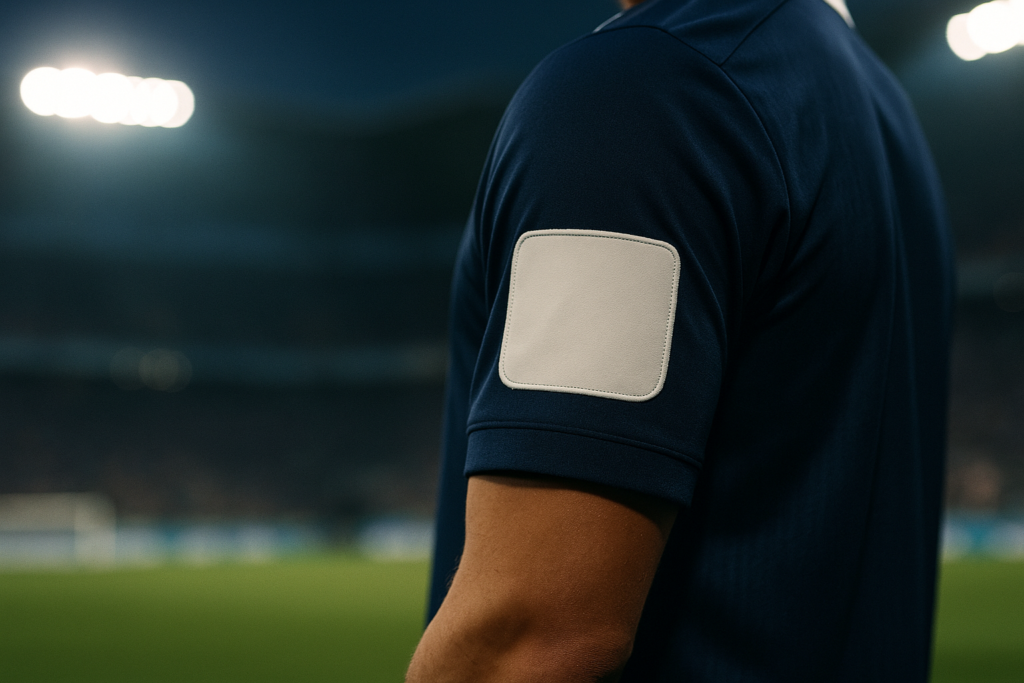
When clubs gave up chest sponsorship, the gambling spend did not disappear. It moved to the places the voluntary ban never covered: sleeves, stadium and pitch-side branding, training kits and digital assets. Clubs had a commercial hole to fill, with reporting at the time putting the shortfall from lost shirt deals in the region of £80 million across the league, and some of the willing buyers were offshore brands with no UK licence.
The examples Entain pointed to are specific rather than hypothetical:
| Club | Operator | Type of deal |
|---|---|---|
| Sunderland | Shuffle (crypto casino and sportsbook) | Official sleeve partner, announced as a multi-year partnership |
| Everton | Stake | Sleeve branding, continuing after Stake stopped operating in the UK in early 2025 |
| Chelsea | 8XBet | Sponsorship arrangement |
| Tottenham Hotspur | VSBet | Sponsorship arrangement |
| Nottingham Forest | FUN88 | Sponsorship arrangement |
The Stake case is the sharpest illustration. The brand left the UK market in early 2025 while the Gambling Commission was investigating its advertising, yet the logo still appears on Premier League sleeves. A regulator that can no longer touch the licence can no longer do much about the marketing either.
What a UK licence actually buys a player
The phrase “licensed operators” gets thrown around as a badge. It is worth being concrete about what it obliges a company to do, because that list is the real difference between the two logos on a sleeve.
| Protection | UK-licensed operator | Offshore, unlicensed brand |
|---|---|---|
| Regulator with enforcement power | Gambling Commission can fine, impose conditions or revoke the licence | No UK licence to sanction; action is indirect and slow |
| National self-exclusion (GAMSTOP) | Required to participate | Not covered, so a self-excluded player can still register |
| Age and identity verification | KYC checks required before play | Varies by operator; crypto sign-ups can be minimal |
| Anti-money laundering duties | Bound by UK AML obligations and source-of-funds checks | Whatever the home jurisdiction requires, if anything |
| Complaints and disputes | Free route to an approved alternative dispute resolution provider | No UK dispute route; the operator’s own terms are the end of the line |
| Safer gambling tools and interaction | Deposit limits, time-outs, customer interaction duties | Optional, inconsistent, unsupervised |
| Advertising standards | UK advertising codes and licence conditions apply | Not practically policed in the same way |
| Funding for treatment and research | Contributes under UK arrangements | Contributes nothing to UK services |
None of this means a licensed casino is a good financial bet. Every game keeps a house edge, a 96% RTP slot still returns the operator 4% of turnover over the long run, and no regulator changes that arithmetic. What a licence changes is everything around the bet: who verifies your age, whether your self-exclusion holds, who you complain to when a withdrawal stalls, and whether anyone is checking that the marketing you saw was legal.
The recognition problem
Entain’s own research suggests more than 80% of consumers cannot confidently tell a licensed operator from an unlicensed one. Treat the number with the usual caution, since it comes from a company lobbying for a specific outcome, but the underlying point is hard to argue with. A logo on a sleeve carries the club’s implied endorsement. Nothing about the placement tells a viewer whether the brand behind it answers to the Gambling Commission or to nobody in particular.
That is why sponsorship sits differently from ordinary advertising. An offshore brand cannot buy a UK licence’s credibility, but it can rent a Premier League badge’s credibility for a season, and to most viewers those look similar.
The black market figure, and why it is doing heavy lifting
Entain leaned on H2 Gambling Capital data forecasting that UK black market stakes will nearly double, from £17 billion (about $22.7 billion) in 2025 to more than £33 billion by 2028. Those estimates are contested; illegal-market sizing is an inference exercise, and licensed operators have an obvious interest in large numbers.
Still, the direction matters more than the decimal point. If unlicensed sites are taking a growing share of British stakes, then letting them advertise through sport is subsidising the leakage. Every pound that migrates offshore leaves the perimeter where GAMSTOP, AML checks and dispute resolution exist.
The timeline is the actual dispute
The Department for Culture, Media and Sport has already accepted the principle. A February review signalled a ban was coming, and a second DCMS consultation on banning unlicensed gambling sponsorship ran from 15 July to 9 September. The second consultation also clarified scope: white-label arrangements, where a brand operates under a British licensee’s licence, would not be caught, since in those cases a UK licence holder remains accountable.
What Entain objects to is the pace. Under the current plan, enforcement arrives by August 2027, which hands unlicensed brands another full season of exposure. Chief executive Stella David put the case bluntly, saying clubs “knew the risks” and that the government “should do so immediately: even if that means clubs ordering new kit mid-season”. Her line for the objectors: “Inconvenience is not an excuse for inaction.”
Self-interest is part of this, and it should be named. Entain pays UK tax, funds compliance departments, absorbed the loss of front-of-shirt inventory and cannot legally market the way an offshore competitor does. A ban removes a rival that is playing by cheaper rules. That commercial motive does not make the consumer-protection argument wrong; it just means both things are true at once.
What changes in practice
For clubs and their commercial teams, the planning assumption should be that these deals have a short shelf life. Multi-year sleeve partnerships signed now sit inside a policy window that is closing, and mid-season enforcement is on the table. Contracts without clean termination language for regulatory change are the ones that will hurt.
For licensed operators and affiliates, the useful read is on scope. A ban aimed at the sponsor’s licence status, with white-label routes left intact, pushes offshore brands toward either a UK licence or a UK licensee partner. Both outcomes bring them inside the rulebook, which is the point.
For anyone actually playing, the practical takeaway is smaller and more immediate: a logo is not a licence. Before depositing anywhere you saw advertised through sport, check the operator against the public register held by the Gambling Commission, look for a licence number in the site footer and confirm it matches, and check whether the site is signed up to GAMSTOP if you rely on self-exclusion. If a site accepts you without any identity check, that is information about how it handles everything else.
Gambling should stay a paid-for entertainment cost, never a way to make money. Set deposit and loss limits before you start, and if it stops feeling optional, use the time-out and self-exclusion tools or contact a free support service such as GamCare or the National Gambling Helpline.